Back to Basics: Why Facial & Skin Balancing Matters More Than Ever in Aesthetic Medicine in 2026
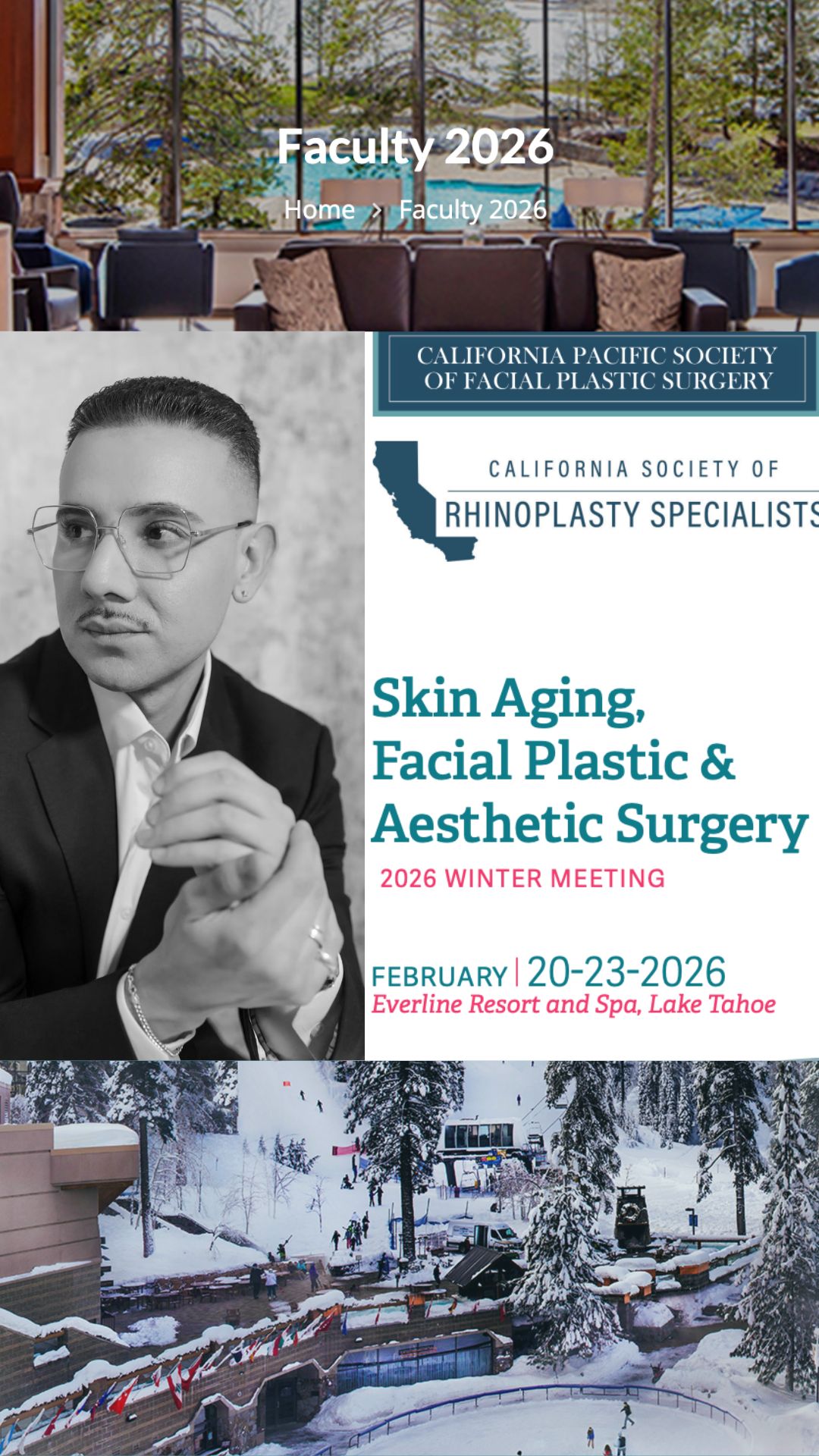
As we move into 2026, aesthetic medicine finds itself at animportant crossroads.
Innovation in our field continues at a rapid pace. Newtechnologies, new molecules, and new delivery systems are introduced every yearsometimes multiple times a year. Innovation is essential, but progress does notalways require something new.
In fact, some of the most meaningful advances we can makeright now come from recommitting to what is proven, evidence-based, andbiologically sound, and applying it with greater intention andexpertise. This requires not only sound technology, but a commitment toadvancing clinical skills through continued education, training, andcollaboration.
Proven Treatments Still Set theStandard
Many of the most effective non-surgical treatments inaesthetic medicine are not new. Neuromodulators such as Botox, hyaluronic acid dermal fillers,and biostimulators like Sculptraand Radiesse have decades ofclinical use behind them.
According to the 2024 Plastic Surgery Statistics Report,neuromodulator injections (Botox®, Dysport®, Xeomin®, Jeuveau®, and Daxxify®)were the top minimally invasive cosmetic procedure, with 9.8 milliontreatments performed a 4% increase from 2023.
(See report: https://www.plasticsurgery.org/documents/news/statistics/2024/plastic-surgery-statistics-report-2024.pdf)
This continued growth reinforces both patient demand andthe importance of safe, standardized, evidence-based approaches.
What makes these treatments powerful is not simply theirlongevity in the market it is their predictability. Weunderstand their mechanisms of action, safety profiles, limitations, and how toindividualize them to achieve natural, balanced outcomes.
In an era where patients have unprecedented access toinformation, they are more informed and more risk-aware than ever. As a result,predictability, safety, and long-term outcomes matter.
Innovation That Expands Access,Not Risk
Innovation does not have to replace foundationaltreatments; in many cases, it enhances access to them.
Emerging options such as Trenibotulinum toxinE may serve as a lower-commitment entry point for patients who are curious aboutneuromodulation but hesitant to commit to longer-acting treatments. Whenpositioned appropriately, this type of innovation can reduce barriers to carewhile remaining within a well-understood therapeutic class.
As clinicians, our responsibility is to ensure thatinnovation is paired with education, proper patient selection, andsafety-first decision-making.
Energy, Light, and RegenerativeSkin Health
Energy- and light-based technologies continue todemonstrate that aesthetic medicine is not purely cosmetic.
Devices such as BBL HEROichave published data demonstrating changes in gene expression associated withyounger-acting skin. This reframes these treatments beyond appearance alone andtoward skin health, photodamage reversal, and preventative care.
(Read article: https://www.jidonline.org/article/S0022-202X(15)36097-8/fulltext)
Combination laser platforms such as MOXI, HALO,and HALO TriBrid allow clinicians to treat multiple layers ofthe skin simultaneously addressing dyschromia, texture, collagen remodeling,and even precancerous changes in a comprehensive and strategic way. I had theopportunity to evaluate this technology during its research and developmentphase prior to its commercial release.
This is regenerative medicine in practice, not just inlanguage.
Facial & Skin Balancing: WhySkin Health Comes First
One concept that guides how I approach patient care is whatI refer to as facial and skin balancing.
This specialty is rooted in my extensive background in bothmedical dermatology and aesthetic medicine. Over time, clinical experience hasmade one principle consistently clear:
the effectiveness and longevity of aesthetic treatments are directly influenced by the health of the skin itself.
When inflammation is uncontrolled, the skin barrier iscompromised, or chronic sun damage is untreated, even the most advancedaesthetic interventions do not perform optimally.
Clinically, I conceptualize this approach as a pyramid.
At the foundation is skin health medicaldermatology, appropriate skincare, sun protection, and inflammation control.Without a strong base, higher-level interventions lack stability.
As we move upward, we layer collagen-stimulatingtreatments, energy- and light-based technologies, injectables, and advancedresurfacing procedures. Each layer builds upon the one below it, allowingtreatments to work synergistically rather than competitively.
This framework shifts the focus away from isolatedprocedures and toward comprehensive facial and skin optimization.In my experience, when skin health is prioritized first, outcomes across allmodalities improve and results are more natural, durable, and balanced.
The Thoughtful Role of FullAblative Resurfacing
We are also seeing renewed appreciation for full ablativeresurfacing.
While recovery is more involved, the long-term outcomeswhen performed by highly trained and experienced clinicians can betransformative. This is not about performing aggressive treatmentsindiscriminately; it is about selecting the right treatment, for theright patient, at the right time.
Depth still matters when applied thoughtfully.
(Read more: https://www.sciencedirect.com/science/article/pii/S0022202X15357602)
Microneedling: Foundational, NotTrend-Driven
Microneedling remains one of the most versatile andfoundational treatments in aesthetic medicine.
It is safe across skin types, collagen-inductive, andadaptable to a wide range of clinical goals. Its continued relevance is notaccidental it works, and it integrates seamlessly into comprehensive treatmentplans when skin health is appropriately addressed.
Sometimes the most impactful tools are the ones thatquietly deliver consistent results.
(Read more: https://journals.lww.com/jdds/fulltext/2021/25020/microneedling__a_means_of_collagen_induction.1.aspx)
A Call for Refinement, NotResistance
For me, 2026 is not about chasing the newest device ormolecule simply because it is new.
It is about:
· Refinement over reinvention
· Education over hype
· Safety over speed
· Outcomes over trends
Returning to the basics does not mean moving backward.
It means moving forward with intention, responsibility, and respect for thescience and clinical experience that have shaped our field and that have helpedme achieve natural, balanced results over the past decade.
By prioritizing facial and skin balancing, evidence-basedcare, and long-term skin health, we elevate aesthetic medicine for ourpatients, our colleagues, and the future of the specialty.
I welcome thoughtful dialogue from colleagues on howyou see aesthetic medicine evolving in 2026.